



MENOPAUSAL SYMPTOMS
Lignans are plant compounds called phytoestrogens, meaning they can gently interact with estrogen in the body.
Their effects may vary depending on a woman’s hormone levels. In women with normal estrogen levels, lignans may help balance excess estrogen activity, while in women going through menopause, the hormonal balancing impact of phytoestrogens have been shown in various studies to help with menopause symptoms such as hot flashes and vaginal dryness. (101) (102)
In one study, Japanese women have historically shown low incidence of menopause symptoms compared to Canadian women. (67) This is presumed to be due to the Japanese diet being high in phytoestrogens through soybean consumption. In a collaborative studies phytoestrogens soy and flaxseed both had strong positive effects on hot flashes and vaginal dryness. (68)
In a study specifically done using a norwegian spruce extract , researchers found that supplementation led to a 50% decrease in hot flashes (9), while another study showed the hormonal balancing effects of HMR supplementation. (40)

STRESS
There is evidence that the production of cortisol, the body’s primary stress hormone, is influenced by estrogen and phytoestrogens, suggesting they play a role in hormonal balance, stress response, and sleep quality.
One study found that higher ENL levels were associated with better sleep and a lower likelihood of sleep disorders. Researchers also believe phytoestrogens may help support hormone balance by increasing DHEA production while helping regulate cortisol.(93) (129)
BREAST HEALTH
Research has shown that populations with diets rich in phytoestrogens, such as many Asian populations, tend to have lower rates of certain hormone-related cancers. (63) This has led scientists to study plant compounds like lignans for their potential health benefits. (14)
Lignans are converted in the gut into compounds called enterolignans, which may help support hormone balance and healthy estrogen activity. Studies have found that higher levels of enterolignans, especially ENL, are associated with lower breast cancer mortality and may help reduce the growth of hormone-sensitive cancer cells. (44)(95)
Researchers believe lignans may support breast health through several mechanisms, including antioxidant activity, hormone regulation, and supporting healthy estrogen metabolism.
COLON HEALTH
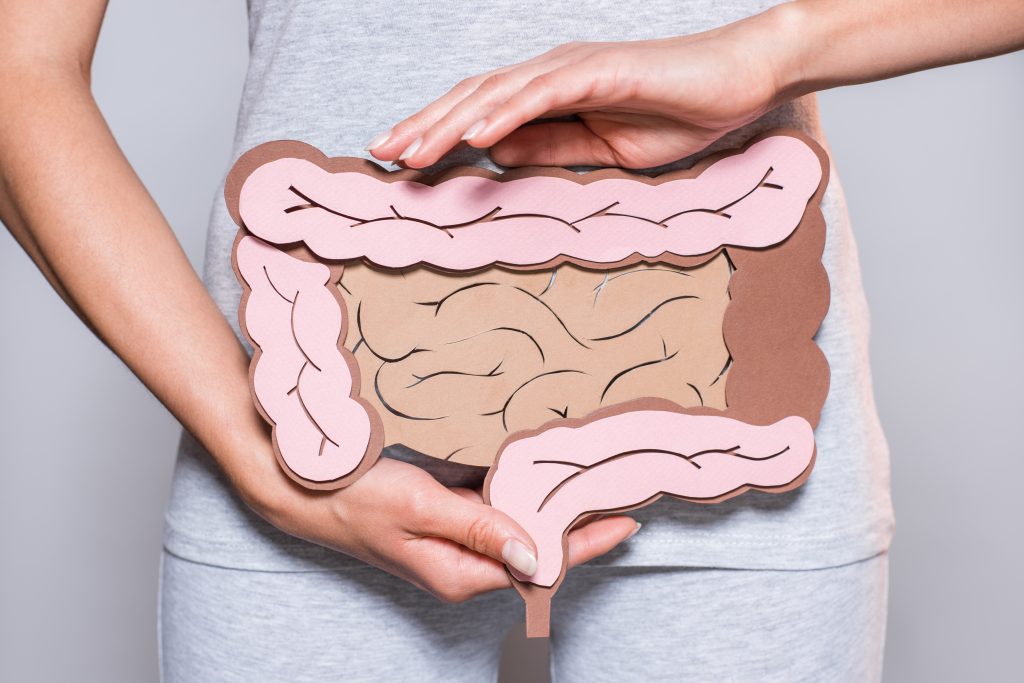
Because plant lignans are converted into mammalian lignans like enterolactone (ENL) and enterodiol (ED) in the colon, researchers have studied their potential benefits for colon health. (113) (63)
A study of 115 colorectal cancer patients found significantly lower serum enterolactone (ENL) levels compared to a control group. (75)
Similarly, a Danish cohort study of more than 50,000 participants aged 50–64 found that higher ENL levels were associated with a lower risk of colon cancer. (76) Another cohort study in the Netherlands reported that higher levels of enterodiol (ED) and ENL were linked to a lower risk of colorectal adenomas. (122) In-vitro studies have also suggested potential protective benefits of ENL. (74)
Animal and laboratory studies have also shown that lignans may help reduce the growth and spread of colon cancer cells, suggesting potential protective benefits for overall colon health.(44) (33).
PROSTATE HEALTH
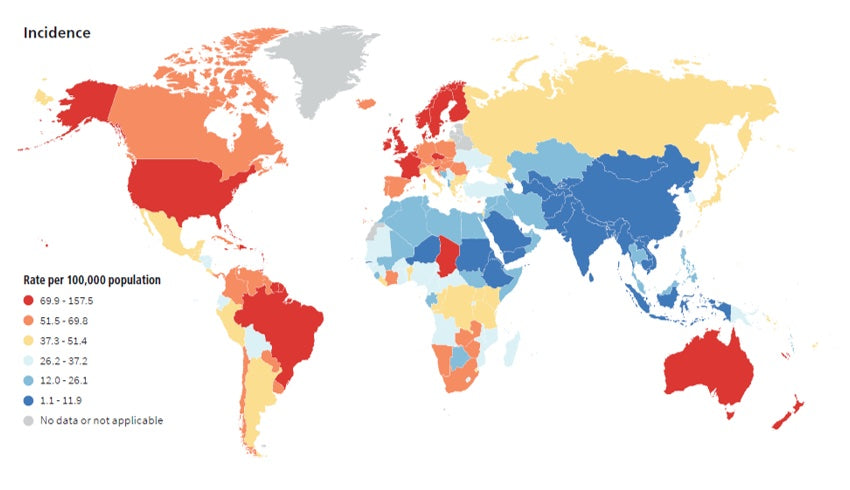
Prostate health is an increasingly important concern for aging men, with prostate cancer being the second most common cancer among men worldwide.
Lignan supplementation provides some evidence to be supportive for prostate health.
Similar to what is seen with breast cancer, incidence of prostate cancer is highest in North America and Europe, with Asian populations showing lower incidence of the disease. (63) (79)
Studies suggest that phytoestrogens like lignans and isoflavonoids may help protect against the growth of prostate cancer cells. Research has shown that enterolactone (ENL), a mammalian lignan produced from plant lignans in the gut, has anti-proliferative effects on prostate cancer cells. (63)(70)(116)(25)
Human studies have also shown promising results. A Scottish case-control study found that higher serum ENL levels were associated with a lower risk of prostate cancer, while a meta-analysis of 11 studies linked increased enterolactone concentrations with significantly reduced prostate cancer risk.(118)(61) (80)
In an in-vivo study using 7-hydroxymatairesinol (HMR) from Norway Spruce, researchers observed reduced tumour growth and increased tumour cell apoptosis in mice. Researchers have also explored ENL’s ability to inhibit 5α-reductase, the same enzyme targeted by finasteride, which may help reduce DHT levels linked to prostate cancer and benign prostate enlargement. (24)(63)(21)
CARDIOVASCULAR HEALTH
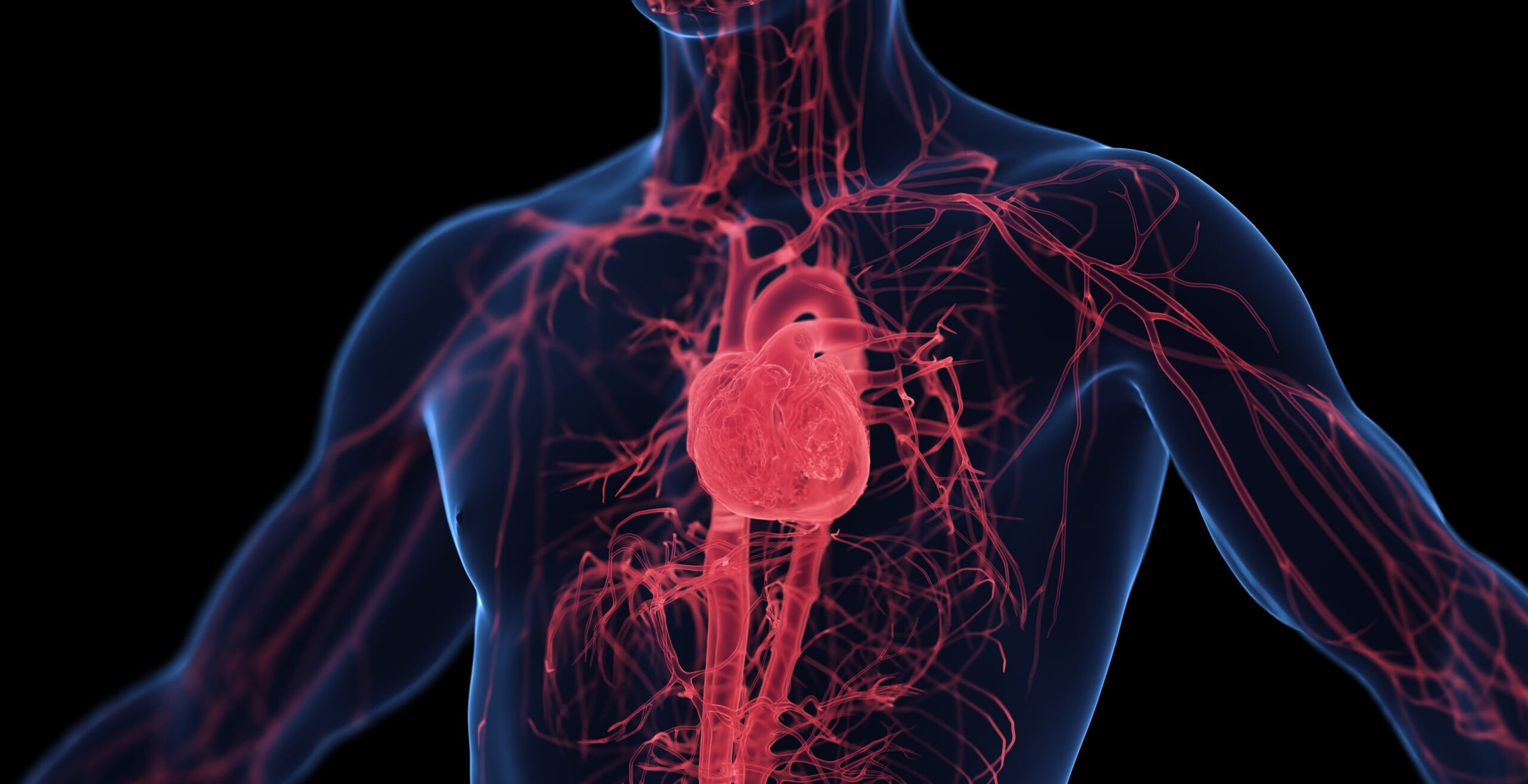
Diets rich in foods containing lignans (whole grains, nuts, seeds, legumes, fruits, and vegetables) have been associated with possible reductions in risk of cardiovascular disease.
The anti-oxidant nature of these polyphenols is thought to be the key to their benefits.
Lignans may protect against cardiovascular diseases (CVD) and metabolic syndrome by reducing lipid and glucose concentrations, lowering blood pressure, and decreasing oxidative stress and inflammation. (61)
Five studies using flaxseed lignan supplements indicated beneficial associations with C-reactive protein, and a meta-analysis that included these studies also suggested lignans have a lowering effect on plasma total and LDL cholesterol. (89) (48)
In a study on 2684 Finnish men between 1984 and 1989, high ENL plasma levels were associated with a reduced coronary heart disease and cardiovascular heart disease (48), while another study of 570 men from the Netherlands, the intake of lignan matairesinol was inversely associated with mortality due to CHD, CVD, cancer, and all causes. (69)
A meta-analysis of 8 different studies looking at ENL plasma levels found that increased ENL levels were associated with a 45% decrease in CVD mortality risk. (65)

OBESITY
In mouse liver studies, a high-fat diet suppressed important cellular cleanup and fat-regulating pathways, including the TFEB gene, leading to increased fat accumulation and severe liver steatosis (fatty liver disease).
Researchers found that 7-HMR and TEP helped restore TFEB levels closer to those seen in mice on a low-fat diet, suggesting lignans may help support the body’s natural ability to break down and regulate liver fat.
These protective effects against liver steatosis were also observed in-vitro using liver cell models. (30)
GLYCEMIC SUPPORT
Diabetes has become a growing global health concern and leading cause of cause, (*) with research exploring how lignans and polyphenols may support blood sugar balance, insulin sensitivity, and metabolic health.
Studies on lignans such as SDG from flaxseed and HMR from Norwegian Spruce Extract have shown potential benefits for glycemic control and antioxidant support. (128)
In one in-vivo study, flaxseed lignans prevented diabetes development in 75% of rats exposed to a diabetes-promoting chemical, while a Chinese clinical trial found daily lignan supplementation improved blood sugar regulation in people with type 2 diabetes. (61)(121)(105) (117)
Researchers are also studying the role of polyphenols in brain and nervous system health.
Diets rich in polyphenols, such as the Mediterranean and Asian diets, have been associated with reduced neurodegeneration and healthier aging. (110)
Polyphenols may help support the gut-brain axis, healthy neurotransmitter function, and protection against oxidative stress linked to conditions like Alzheimer’s and Parkinson’s disease. (110)(86)